





Designer
Royal Pavilion & Garden
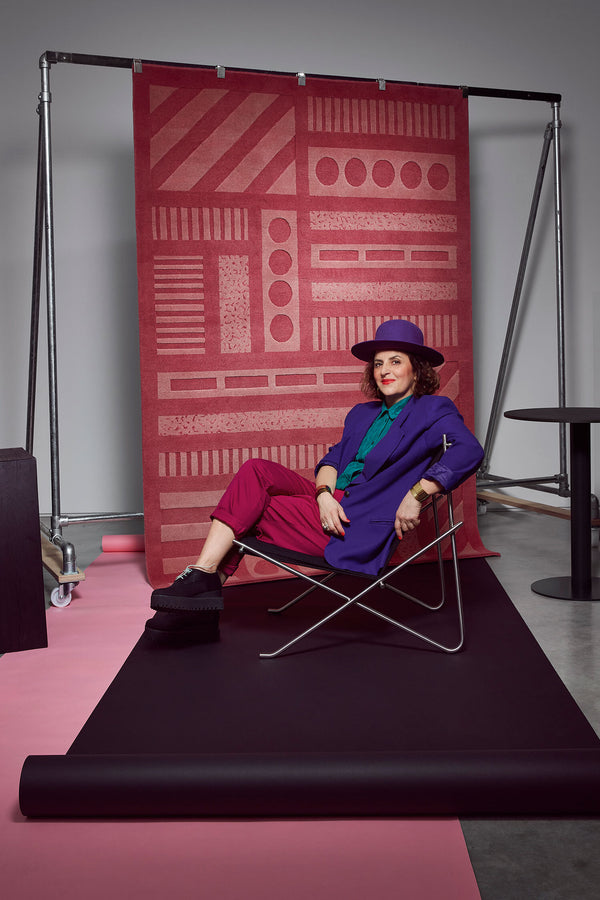
ASSEMBLED is a rug designed using material from the Royal Pavilion & Garden archive depicting an eclectic assemblage of fantastical hand painted motifs found in the regency era interiors. These original designs have been translated into repeat tiles and playful composition made using wool and tufting techniques in Bhadohi, India.
This rug brings the lively designs of the Royal Pavilion & Garden into contemporary spaces, a great way to bring historic reference, fine craftsmanship and cutting edge design into the home.
The Royal Pavilion & Garden, Brighton, was built between 1787 and 1823 and transformed by King George IV, at enormous expense, from a modest house into an extravagant fantasy palace and pleasure ground. George’s personality, cultural appetite, and lavish lifestyle helped define the Regency era, and the elaborate entertainments staged within the Pavilion’s richly decorated interiors reflected the energy and glamour of Regency society.
Today, the Pavilion remains one of Brighton’s most iconic landmarks, instantly recognisable by its domes and minarets inspired by Indian architecture. Its lavish interiors are filled with bold and colourful designs featuring birds, flowers, dragons, and other mythical creatures, all crafted by some of the finest artisans of the day.
No products found
Use fewer filters or remove all
I wanted the rug to be playful, full of colour and also to have little details that you might miss unless you look closely in response to how I experienced the Royal Pavilion.
Rug designer, Gill Thorpe

Detail of scalloped motif from the woollen tufted rug
About the Collaboration
ASSEMBLED is a rug designed using material from the Royal Pavilion & Garden archive.
Created in collaboration with The Royal Pavilion & Garden and Floor Story, the design brings together multiple visual references in a collaged composition that celebrates the Pavilion’s eclectic interpretation of Asian design influences. Many of the rug’s motifs are drawn from artworks in the Crace’s sketchbooks (c.1801–c.1815), rarely seen materials held in the Pavilion archive.
Each hand-painted detail from the sketchbooks has been translated into wool on canvas using the tufting technique in Bhadohi, India. This process preserves the integrity of the original style through the skill, sensitivity, and precision of the maker’s hand.
These influential sketchbooks come from the Crace family, whose work shaped the interiors of the Pavilion across five generations, from 1750 to 1899. During this period, the Pavilion became immersed in the decorative language of chinoiserie. John and Frederick Crace, in particular, were inspired by the interiors of Carlton House, as well as by collected artefacts and displays of Chinese costume. Particular attention was given to colour and stylistic detail, both of which were explored extensively in the sketchbooks and now run through the design of the ASSEMBLED rug.

Floor Story visit to Royal Pavilion & Garden in Brighton
More
Designers

Designer
House of Quinn

Designer
POoR Collective

Designer
Lakwena

Designer
Coco Lom

Designer
Les Keepers

Designer
Adriana Jaroslavsky

Designer
Bek Smith

Designer
Soul II Soul
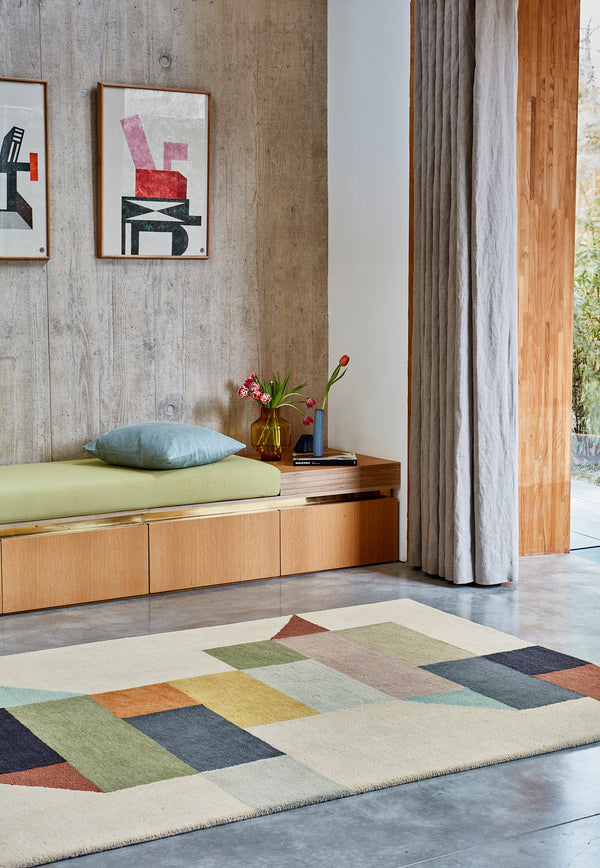
Designer
FLOOR_STORY Selects

Designer
Crafts Council x Halina Edwards

Designer
Choose Love

Designer
Emily Forgot

Designer
Amechi Mandi
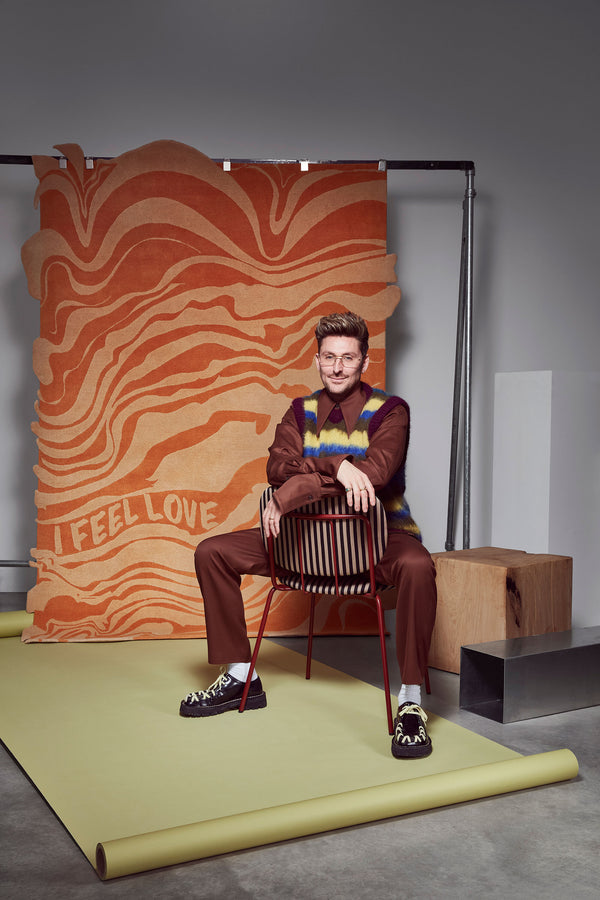
Designer
Henry Holland

Designer
Mac Collins

Designer
Gill Thorpe

Designer
Diane Bresson
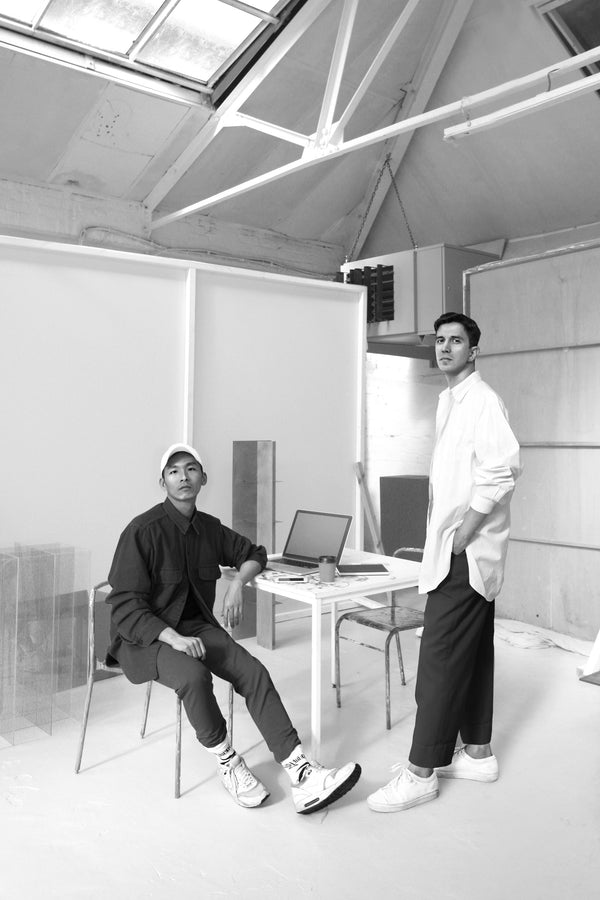
Designer
Child Studio

Designer
Abigail Weston

Designer
Zandra Rhodes
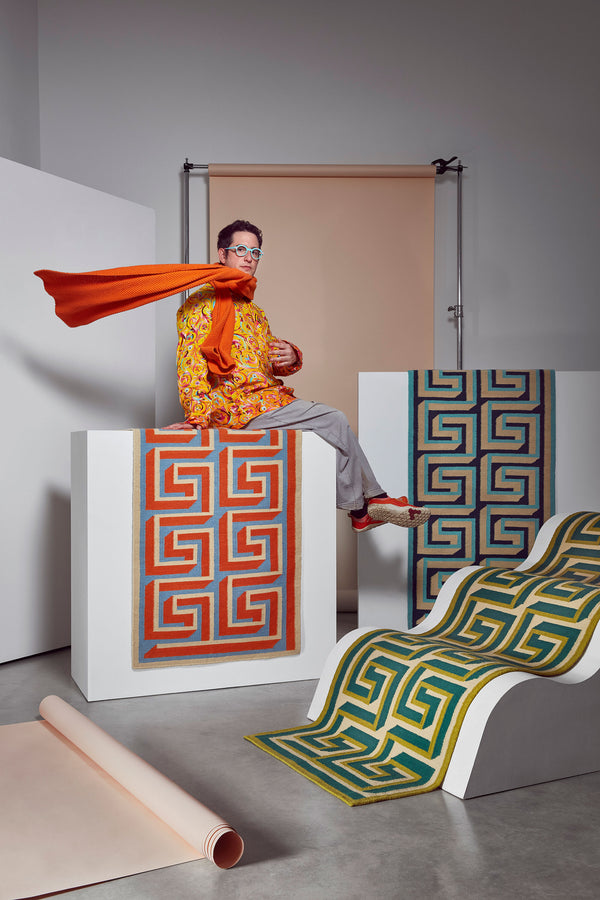
Designer
Adam Nathaniel Furman
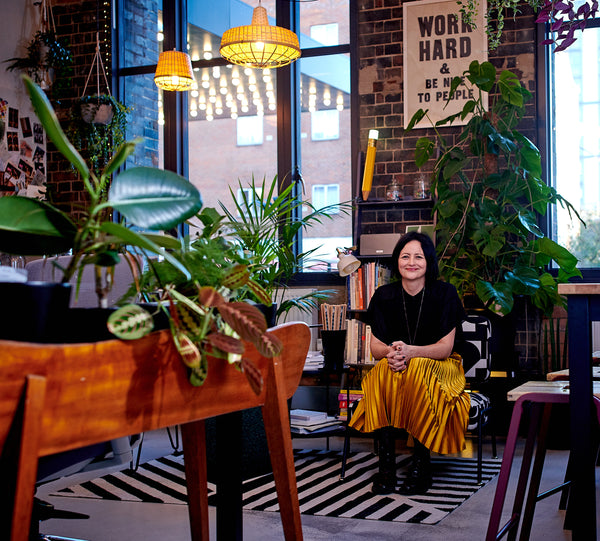
Designer
trifle*
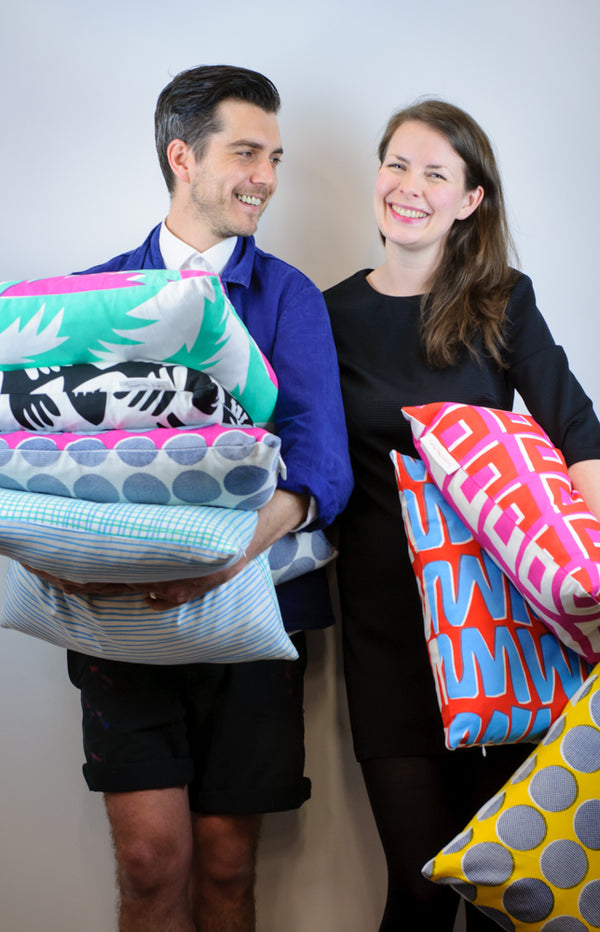
Designer
Sunny Todd Prints

Designer
Rob Pybus

Designer
Sebastian Wrong

Designer
Mimi Forrest
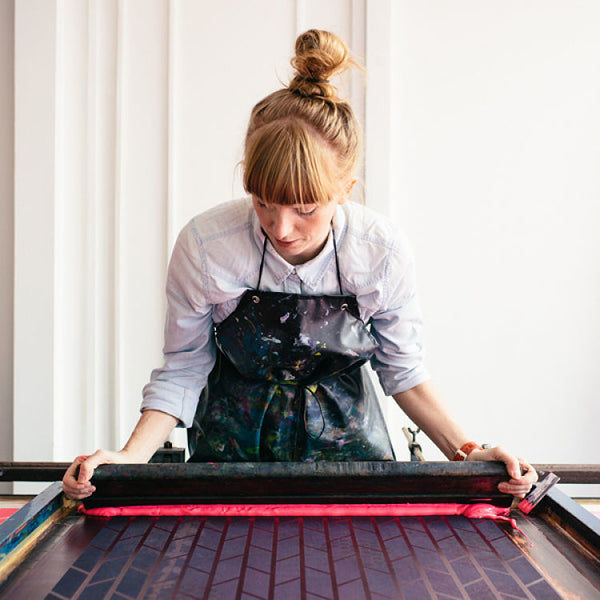
Designer
Laura Spring
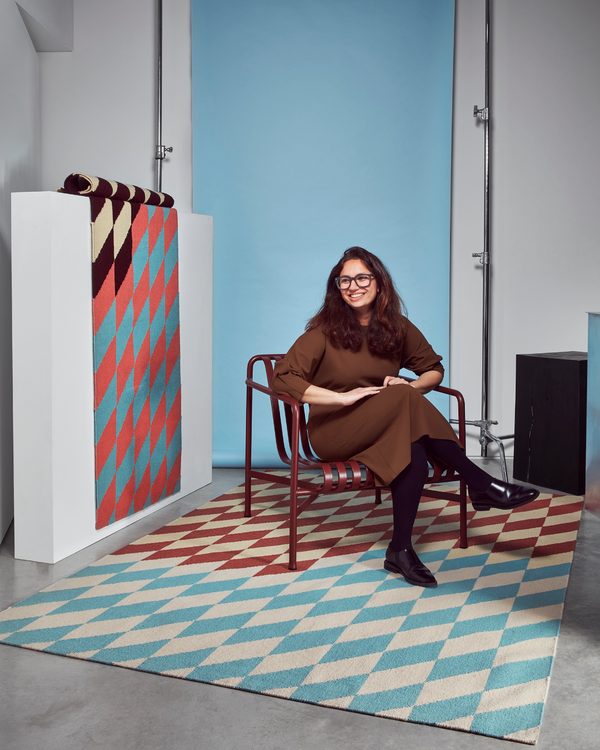
Designer
Kangan Arora

Designer
Kitty Joseph
Designer
John Booth
Designer
Josephine Ford
Designer
FLOOR_STORY

Designer
Eve Spencer

Designer
Signe Emdal
Designer
Flock

Designer
2LG Studio

Designer
Eley Kishimoto
Designer
Camille Walala

Designer
Catherine MacGruer

Designer
Carmellia Indrawati

Designer